
How Does Wind Damage Roofs in Brewerton, NY?
Severe winds put unique stress on roofs in Brewerton, NY, especially during local weather events common to the area, such as thunderstorms, nor’easters, and occasional lake-effect storms. Wind can exploit any weakness in a roof’s structure or materials, sometimes causing damage that isn’t immediately visible.
This damage usually starts at the edges or any area where roofing materials are already a bit loose. As wind lifts or pries these materials, it can create gaps, tear off shingles, or, in more intense storms, peel back whole sections of roofing. Even moderate winds can cause a chain reaction if initial vulnerabilities aren’t addressed quickly.
What Are Common Signs of Wind Damage Locally?
Homeowners in the city often discover wind-related roof problems in these ways:
- Missing, cracked, or curled shingles, especially near eaves, rakes, or peaks
- Granule loss, creating bald spots on asphalt shingles and visible shingle debris around downspouts or yards
- Bent or detached flashing around chimneys, vents, or valleys
- Leaks appearing in attics or ceilings directly after a wind event
In Brewerton, wind can also drive rain beneath damaged areas, leading to leaks even if shingles look mostly intact from the ground. Regular visual checks, especially following storms, help catch these issues early.
Why Are Roofs in Brewerton, NY Prone to Wind Damage?
Several factors make roofs in Brewerton vulnerable to wind damage beyond just the force of the wind itself:
- Proximity to Oneida Lake means local homes often experience sudden, strong wind gusts, especially during seasonal changes
- Many houses in the community feature older, multi-gabled roofs or complex designs, which can create points where wind pressure is concentrated
- Winter’s snow and ice can weaken shingles or flashing, making them more susceptible to being lifted by winds later in the year
Local weather patterns include shifting winds and rapid temperature swings, increasing the chances for minor roof issues to develop into major concerns over time.
How Much Wind Does It Take to Damage a Roof?
Roofs in Brewerton are generally designed to withstand average local wind speeds, but problems can start at surprisingly low thresholds:
- As little as 30–40 mph gusts can start to lift or dislodge older or poorly secured shingles
- Significant shingle loss usually begins at sustained winds of 50–60 mph, which are not uncommon during strong thunderstorms or nor’easters
- Tornado-strength events are rare, but occasional straight-line winds or microbursts have caused more substantial roof failures in the area
It’s a misconception that only hurricane-force winds cause real problems; even “normal” storms can open a path for water if a roof has existing wear or loose materials.
Can Small Wind-Related Issues Really Lead to Bigger Problems?
Yes. Often, initial wind damage is subtle, such as a few lifted shingles or minor bent flashing. In the Brewerton climate, these vulnerabilities can quickly become serious:
- Lifted shingles or exposed underlayment can allow water intrusion, accelerating rot or causing attic mold
- Repeated minor wind events expand weaknesses—what started as a loose shingle may result in multiple missing ones after several storms
- Moisture entry increases heat loss, raising household energy costs during the long local winters
Ignoring these signs can lead to the need for more extensive repairs over time, so early attention to minor issues is especially worthwhile for area households.
What Steps Can Local Residents Take to Limit Wind Damage?
Routine care and storm preparation reduce the risk of costly repairs.
Basic steps for Brewerton homeowners:
- Inspect the roof visually after every major wind event, using binoculars from the ground for safety
- Clear fallen branches or debris, which can compound wind damage
- Reinforce loose shingles and replace any that appear damaged as soon as possible
- Keep gutters and downspouts clear to prevent water pooling after wind-driven rain
- Trim back overhanging tree limbs that could strike or drag across the roof during storms
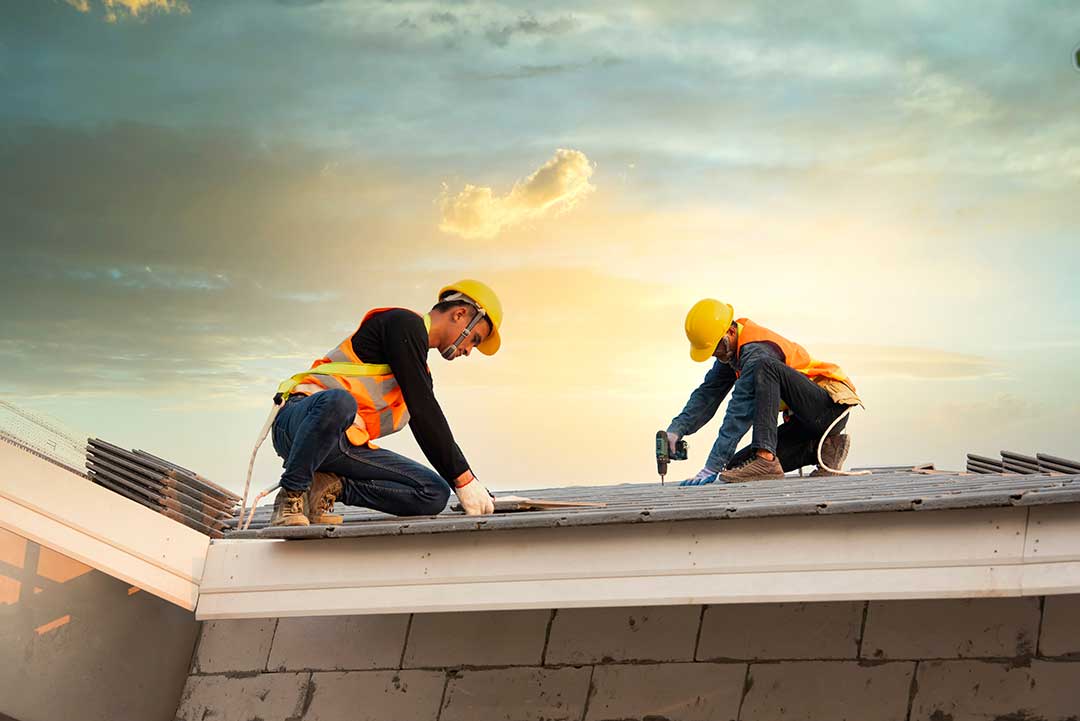
During home projects, using roofing materials rated for local wind conditions and ensuring all components are securely fastened makes a meaningful difference. Many homes built decades ago may not meet today’s best-practice fastening guidelines, so any repairs or upgrades are an opportunity to improve resilience.
Are Some Roof Designs More Vulnerable in Brewerton Than Others?
Certain styles seen in the city have specific challenges:
- Steep-pitched roofs shed wind better than flat ones but may lose shingles at eaves and ridges
- Complex, multi-level or intersecting rooflines create turbulence, increasing wind uplift risks in valleys and corners
- Older roofs, particularly those with several prior repairs or mismatched materials, are more likely to lose shingles or flashing during storms
Homes surrounded by open spaces, such as those closer to the lake, are often exposed to higher gusts than those sheltered by neighboring buildings or dense tree cover.
What About Insurance and Roof Wind Damage?
Wind-related roof damage is typically covered by standard homeowners insurance, but there are important details:
- Insurers often require documentation showing the damage was caused by a specific wind event
- Pre-existing wear or lack of maintenance may be excluded
- Prompt documentation—photos and written notes—helps make any future claims smoother
Residents who suspect new damage after a storm can benefit from checking policy terms and taking clear, date-stamped photos of affected areas for reference.
How Has the Local Climate Changed Roof Risk Factors Over Time?
Over the last several years, the city has experienced more unpredictable and intense wind events, sometimes outside traditional “storm seasons.” Increased roof wear due to heavier snowfall, ice loads, and freeze-thaw cycles adds further risk—materials may age faster, and small vulnerabilities can expand more quickly.
Homeowners staying attuned to these trends—such as shorter intervals between storms or shifting seasonal storm patterns—are better prepared to spot and address roof issues before serious problems develop.
