
What Is Roof Decking and Why Does It Matter?
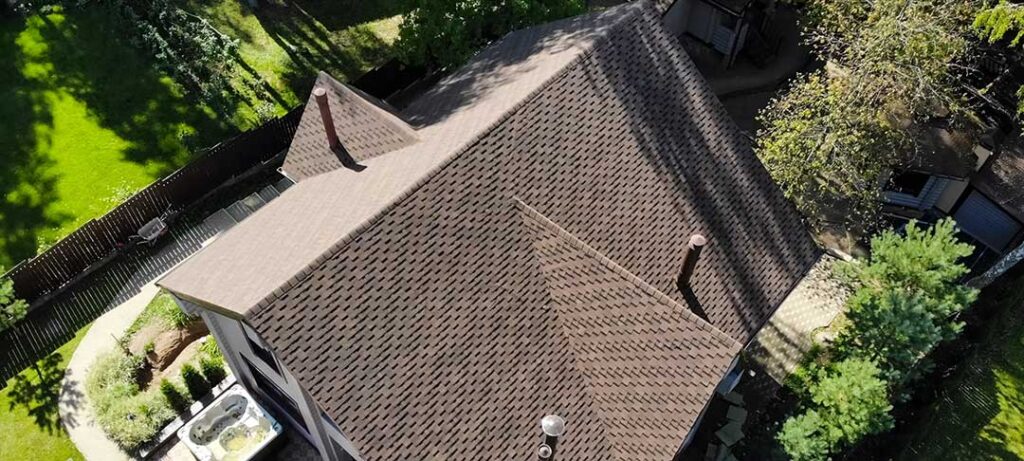
Roof decking is the structural surface that forms the foundation of your home’s roof. It sits beneath the shingles and roofing underlayment, supporting the entire roofing system. For most homes in Brewerton, this critical layer is made of wooden panels, though there are a few variations.
Local climate—cold winters, strong winds, heavy snowfall, and spring thaws—makes the condition of roof decking even more important. Any problems with this layer can quickly translate into leaks, sagging roofs, or energy loss in area homes.
What Materials Are Commonly Used for Roof Decking In and Around the City?
Most residential roof decking in Brewerton is constructed with:
- Plywood: Strong and widely used, typically sold in thick sheets such as ½" or ⅝".
- Oriented Strand Board (OSB): An engineered wood option made from compressed wood strands, known for affordability and decent strength.
- Traditional plank decking: Older homes, especially those built before the 1970s, sometimes have one-by-six or one-by-eight wooden planks instead of modern panels.
Both plywood and OSB are suited to the region’s seasonal expansions and contractions. In newer neighborhoods, OSB is especially common due to its cost-effectiveness.
How Can Residents Tell If Roof Decking Needs Attention?
Early detection helps prevent more expensive repairs later. Signs your home’s roof decking might need evaluation include:
- Noticeable sagging between rafters or under the roof surface
- Spots on interior ceilings or along roof eaves that look water-stained
- Areas of the roof that feel soft or "spongy" underfoot during safe, limited inspection
- Shingles that curve or look uneven (evidence the decking has warped)
In Brewerton’s freeze-thaw climate, water can seep in through small breaches, leading to hidden rot or mold.
What Are the Causes of Roof Decking Damage Locally?
Common sources of roofing deck problems in the area involve:
- Ice Dams: When heat escapes into attics, melting snow refreezes at the eaves, backing up water beneath shingles and onto the decking.
- Flashing Leaks: Any failure around chimneys, vents, or valleys gives moisture a pathway to the panels below.
- Plumbing or HVAC Leaks: These runoffs inside the home can show up as attic or ceiling stains but originate in compromised roof decking.
- Poor Ventilation: Inadequate attic airflow can trap moisture under the deck, encouraging rot, mold, and warping—an issue in some older Brewerton homes.
How Is Roof Decking Inspected During Roof Work?
Unlike visible exterior issues, decking conditions are hard to judge from the ground. During roof replacement or repairs, the old shingles and underlayment are removed, exposing the decking underneath. This is the main time when:
- Rotted sections are cut away and replaced with new plywood or OSB
- Fasteners are checked for rust or loosening, which can signal underlying panel weakness
- Gaps between boards or sheets—sometimes found in older homes—are evaluated to make sure new roofing materials have a proper base
In local neighborhoods where roofs exceed 20 years, it’s common for at least some decking repairs to be necessary even if there was no obvious surface leak.
Is it Safe for Homeowners to Inspect or Repair Roof Decking Themselves?
Roof decking issues require accessing pitched roofs or attics, which present fall and electrical hazards. While a visual check in the attic might reveal water stains or musty odors, most direct inspection (removing shingles, assessing panel strength) should only be performed by those with proper safety equipment and experience. The risk increases after winter, when ice and snow can make surfaces slippery.
How Are Decking Repairs Handled in Cold Climates Like Brewerton?
Repairs begin by fully removing the roofing in affected areas to expose all damaged decking. Any panels that are soft, crumbly, or show signs of black mold are replaced. Local best practices include:
- Using exterior-grade plywood or OSB panels rated for the cold, humid climate
- Allowing for small expansion gaps between decking boards or sheets, which reduces buckling during seasonal changes
- Ensuring all replacement decking is properly secured to framing, reducing the risk of nails or screws backing out under snow loads
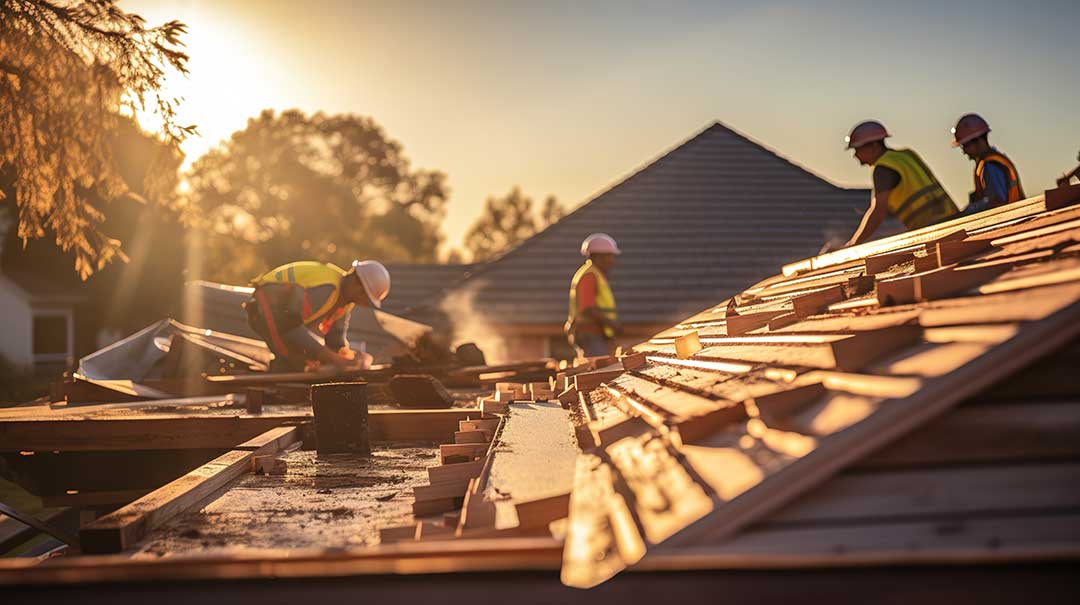
Repairs are best timed for the late spring, summer, or early fall, when weather is more predictable and moisture is less likely to interfere.
What Are Common Myths or Misconceptions About Roof Decking in Brewerton?
- Myth: If shingles are in good shape, decking must be fine.
– In reality, it’s possible for decking to deteriorate underneath intact shingles, especially if water has seeped in at joints, valleys, or under flashing.
- Myth: All plywood and OSB panels are created equal.
– Building codes often require roof decking with specific thickness and grading; not all products from the hardware store meet these requirements.
- Myth: Insulation alone prevents decking rot.
– Proper ventilation is also needed; a well-insulated but poorly ventilated attic can still accumulate moisture and damage decking.
What Should Residents in Brewerton Know About Roof Decking Lifespan?
Quality roof decking, when kept dry and ventilated, can easily last the life of two or more shingle replacements (sometimes 40-60 years). Most replacements occur only when:
- Major leaks go undetected for a season or more
- Enough of the surface has warped or decayed that repairs aren’t practical
- Attic condensation or repeated ice dams have caused widespread rot
For homes with regular roof maintenance and good attic ventilation, roof decks generally remain stable for decades.
What Issues Are Specific to the Brewerton Area?
Because the city’s winters feature heavy snow and temperature swings, roof decking is especially at risk where:
- Flat or low-slope roofs let water pool after snowmelt
- Older attic insulation allows heat to rise and cause ice damming
- Gutters clog with leaves from mature trees, backing up moisture
Routine attic checks after winter and before summer storms is the best way for households to spot problems early in the roof’s substructure, preventing larger issues later.
