
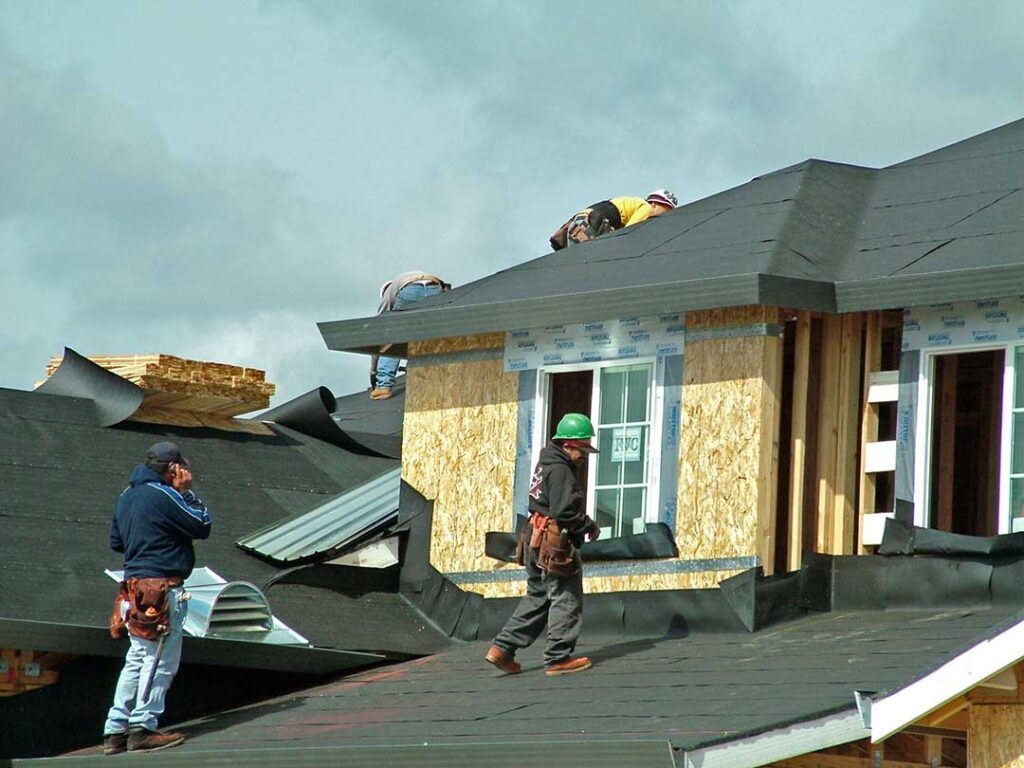
Why Pay Attention to Roof Decking?
Roof decking (also called sheathing) forms the foundation for roofing materials and is crucial for a safe, weather-tight home. In Brewerton, NY, the deck is typically made from plywood or oriented strand board (OSB) and provides support for shingles. Ignoring issues can result in leaks, structural damage, or costly repairs that go beyond just replacing a few shingles. Decking problems in this area are often overlooked until they result in visible interior or exterior damage. Recognizing early warning signs can help keep local homes dry and structurally sound, especially with Brewerton's snowy winters and wet springs.
What Does Damaged Roof Decking Look Like from Inside the Attic?
If accessible, the attic is often the best place to spot hidden decking problems. Early warning signs include:
- Water stains, dark patches, or streaks on the underside of the roof sheathing, particularly after snowmelt or heavy rains
- Sagging or uneven plywood/OSB panels
- Soft spots that flex when pressed (use caution—some areas may be unsafe to walk on)
- Mold or mildew growth on wood surfaces, sometimes accompanied by a musty odor
Inspection is safest and most effective when done during the day, with the sun overhead and the attic lights off. Look for daylight shining through the roof itself—tiny pinholes or larger gaps may signal failing decking, not just missing shingles.
How Can Roof Decking Issues Show Up from the Exterior?
Sometimes, you can spot clues from outside your home—even from the ground. Look for:
- Sections of the roof that appear wavy, sagging, or uneven, indicating underlying rot or broken boards
- Shingles that curl, buckle, or do not lay flat (this may be caused by moisture beneath them)
- Unexplained dips or depressions, especially near the ridgeline or valleys
Ice dams, a common winter issue in Brewerton, can cause water to back up and seep beneath shingles, soaking the underlying deck. After a thaw, keep an eye out for persistent shingle deformation or new sagging areas.
Are There Indoor Symptoms of Roof Decking Trouble?
Roof leaks aren’t always obvious in the early stages, but certain interior changes often accompany decking deterioration:
- Paint or plaster on ceilings and upper walls bubbling, cracking, or peeling
- Watermarks that seem to grow after snowmelt or storms
- An earthy or damp smell in upper rooms—even when rain hasn’t just fallen
- Ceilings that bow downward or feel soft when gently pressed
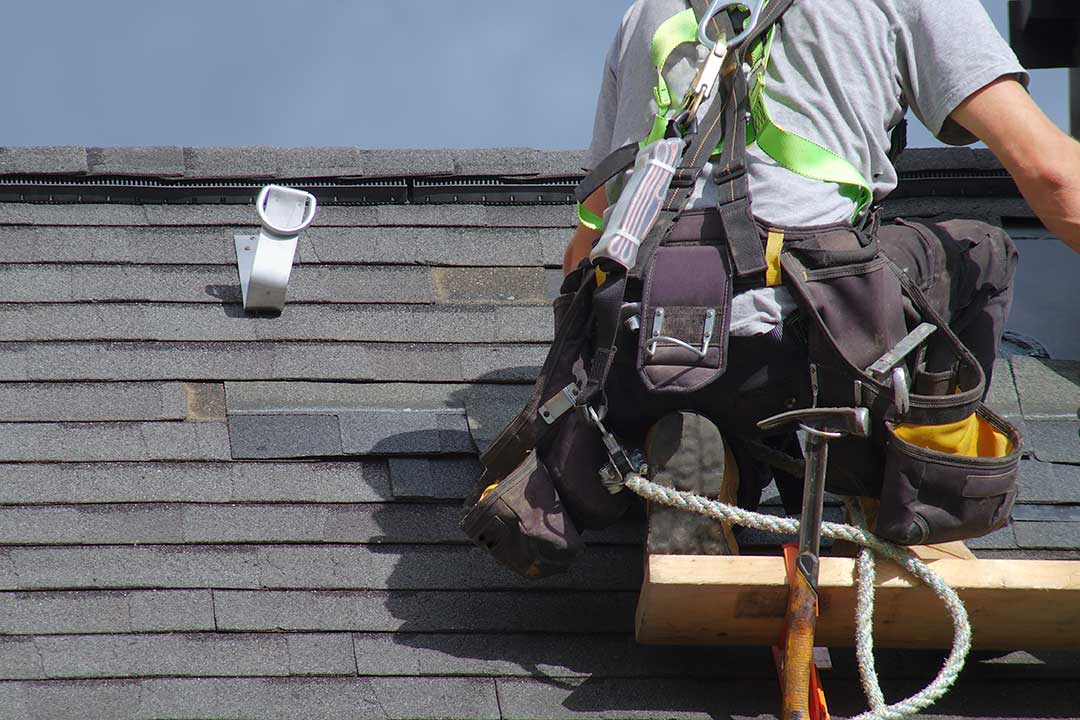
While these signs don’t prove decking is the culprit—plumbing leaks can look similar on ceilings—they strongly suggest water is making its way past the roofing system. In older homes common in Brewerton, layered roof systems may temporarily conceal these symptoms, but any unexplained changes should prompt further investigation.
How Does Brewerton’s Weather Contribute to Decking Damage?
The freezing and thawing cycles typical in Brewerton play a major role in roof deck wear. Heavy, wet snow can cause slow leaks if the roof covering or flashing has vulnerabilities. When water seeps into the deck and freezes overnight, the expansion can create or worsen cracks, especially around nails or seams. Over time, this repeated moisture movement leads to softening, mold growth, and eventual rot.
Local homes also face additional stress from wind-driven rain and ice dams formed at roof edges. Roof valleys and eaves—areas where snow and water typically accumulate—are the first spots where decking problems usually appear.
What About Age and Previous Roof Work?
For homes that have had multiple layers of shingles or previous roof repairs, the risk of hidden decking issues increases. Additional shingle layers can trap moisture, reduce ventilation, and mask underlying rot. If a roof has been patched rather than fully replaced after leaks, the deck beneath those repaired spots may have weakened over time.
Residents unsure of their roof’s history can often find clues in attic records or by looking for mismatched shingle types and patchwork from the outside.
Is Roof Decking Always To Blame for a Leak?
Leaks don’t always start with the decking itself. Gutter overflow, ice damming, flashing failures, or damaged vents can be the initial source. However, if leaks have reached the decking and lingered, especially after previous repairs to the roof covering, it’s likely the wood has sustained water damage.
A common misconception is that shingle replacement alone will solve roof leaks. In Brewerton, resealing or replacing shingles without addressing damaged sheathing underneath often results in recurring leaks, especially during spring thaw or heavy summer storms.
What Should Residents Do When They Suspect a Problem?
If signs point to possible decking issues, minimizing foot traffic and weight on the affected area is wise, especially after storms or in older homes. Attempting to probe or walk on suspect decking can be dangerous, as soft, water-damaged sections may not support weight.
Document visible signs—photos of attic spots, stained ceilings, bubbling paint, or exterior dips can help in conversations with knowledgeable neighbors or building inspectors. Roof decking is not something most homeowners in Brewerton are required to inspect annually, but awareness of the symptoms above helps protect against preventable major repairs.
