
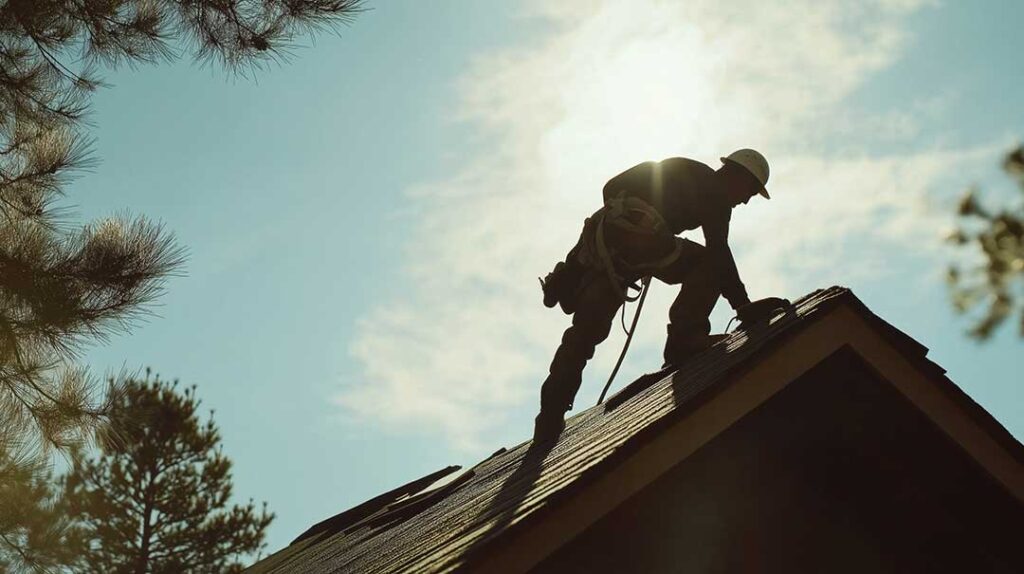
Why Should Residents of Brewerton, NY Consider Recycling Old Roofing Materials?
Recycling old roofing materials helps minimize waste sent to landfills, reduces environmental impact, and can even lower costs for debris disposal. In the community, most home roofs are asphalt shingle, metal, or occasionally slate, all of which present unique recycling opportunities.
Winters in Brewerton result in roof replacements being a seasonal activity, typically grouped in the spring through fall. This means residents are often looking for guidance right as projects begin or after big storms.
Which Roofing Materials from Homes Are Most Commonly Recyclable?
Most roofing tear-offs in the area are asphalt shingles, followed by smaller proportions of metal, slate, and wood shakes.
- Asphalt Shingles: Highly common, they’re primarily petroleum-based and can be reused as road paving material. Asphalt shingle recycling is a well-established practice in many regions.
- Metal Roofing: Metal panels and flashing are almost always recyclable at scrap metal facilities, provided they are separated from other materials.
- Slate and Clay Tile: Less common locally, but if intact, these heavy materials can sometimes be reused or incorporated into landscaping.
- Wood Shakes: Can be composted or chipped for mulch if untreated, but most are treated and not suitable for recycling beyond landfill diversion.
How Can Residents Separate Roofing Materials for Recycling?
To maximize recycling, materials should be sorted during the tear-off. The best outcomes come from planning ahead:
- Place asphalt shingles in a dedicated pile or dumpster, keeping nails and debris to a minimum.
- Metals—like flashing, drip edge, or gutters—should be set aside in a separate container, as scrap yards will not accept mixed load.
- If any slate or tiles are intact, stack them neatly for potential reuse.
- Avoid mixing plastic, insulation, or underlayment (often not recyclable) with shingles or metal.
Sorting on-site can feel tedious, but for smaller residential projects, even partial separation can help reduce waste and open new recycling streams.
Where Can Residents in Brewerton Recycle Roofing Materials?
Most private recycling centers in the area do not specialize in construction debris, but several public waste services have recommendations:
- Asphalt Shingles: Some regional waste transfer stations collect clean asphalt shingles for use in road base material. It’s essential to call ahead to verify current acceptance, as availability can change based on recycling demand and contamination issues.
- Metal Roofing: Local scrap metal yards accept metal roofing components, provided they’re free of wood, plastic, or excessive debris.
- Landscaping Reuse: Intact slate or tiles can be posted through community boards or given away for garden projects; some local residents use them for paths or borders.
Recycling guidelines are periodically updated, so area households benefit from checking the latest recommendations from county or municipal solid waste departments. Direct drop-off may require a small fee or proof of residency.
Are Roofing Nails and Underlayment Recyclable?
Roofing nails are typically steel and, when removed from shingle or metal tear-offs, can be included with scrap metal. Underlayment (synthetic or felt) is generally not recyclable at local facilities and should be disposed of with general waste unless marked otherwise.
Efforts to keep underlayment and other non-recyclables separate will improve the odds of successful recycling for valuable materials.
What Are the Benefits and Challenges of Shingle Recycling in the Area?
Residents often ask if recycling shingles is genuinely impactful. Locally, shingle recycling can:
- Reduce local landfill pressure, especially given roofing’s bulk and weight.
- Supply raw materials for state and county road construction, giving old roofs a new use close to home.
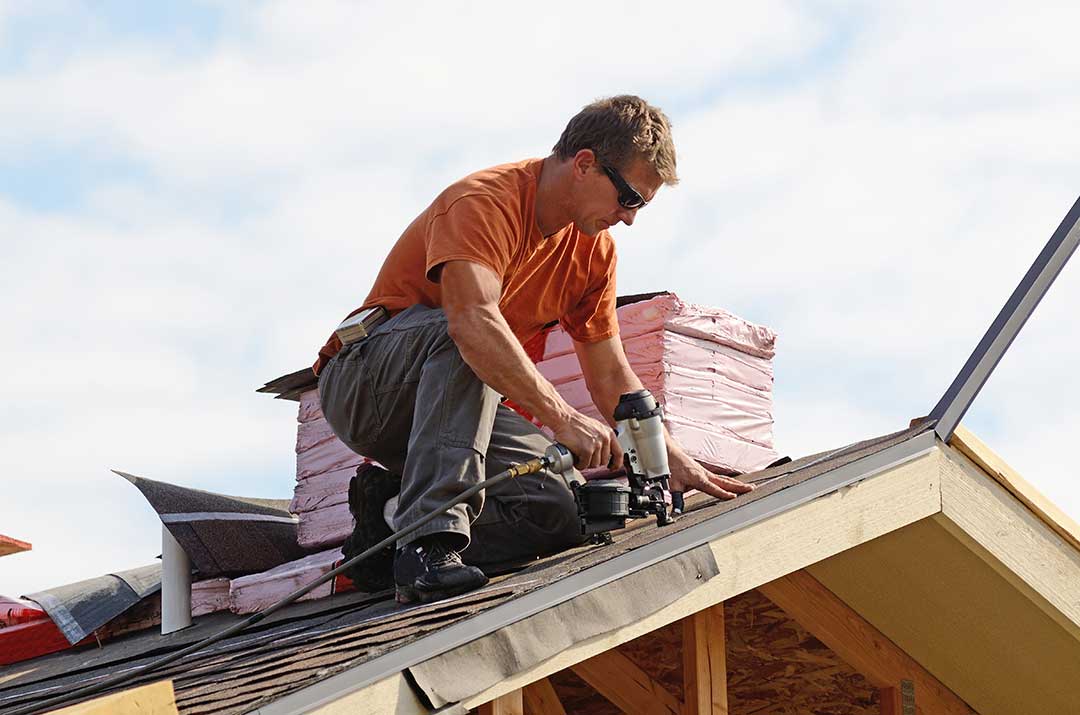
There are challenges, however:
- Asphalt shingles often contain tar, granules, and sometimes asbestos in older roofs (pre-1980s); any suspicion of asbestos requires professional handling and cannot be recycled with other materials.
- Shingles must be free of non-asphalt debris to be accepted for recycling.
How Should Old Roofing Be Transported for Recycling?
Careful loading is essential for both safety and recycling success. Shingles and roofing debris can be dusty and sharp:
- Load materials into heavy-duty contractor bags or bins, not mixing in general waste.
- Metal portions should be flattened or stacked, not tangled with shingle waste.
- Pickups or trailers with tarps minimize debris during transit and keep materials dry.
Local regulations may limit the hours or types of vehicle that can enter waste sites, especially during leaf and brush collection season.
What Common Mistakes Should Residents Avoid?
A few recurring issues hamper recycling efforts for roofing waste:
- Mixing in wood, plastic, or insulation makes loads “contaminated” and unusable for most recycling streams.
- Failing to check for hazardous materials (like asbestos) before beginning removal.
- Not securing a safe drop-off site before beginning the job, resulting in piles of waste sitting exposed to weather.
Careful attention to separation and local guidelines increases the odds that the majority of roofing debris avoids landfill disposal.
Are There Community Resources for Learning More?
The most up-to-date and locally relevant recycling guidance is provided by municipal solid waste offices, and occasionally local community events will offer seasonal collection days for construction debris. Periodically reviewing these resources, especially ahead of a big home project, will ensure the most responsible and up-to-date waste handling for area households.
