
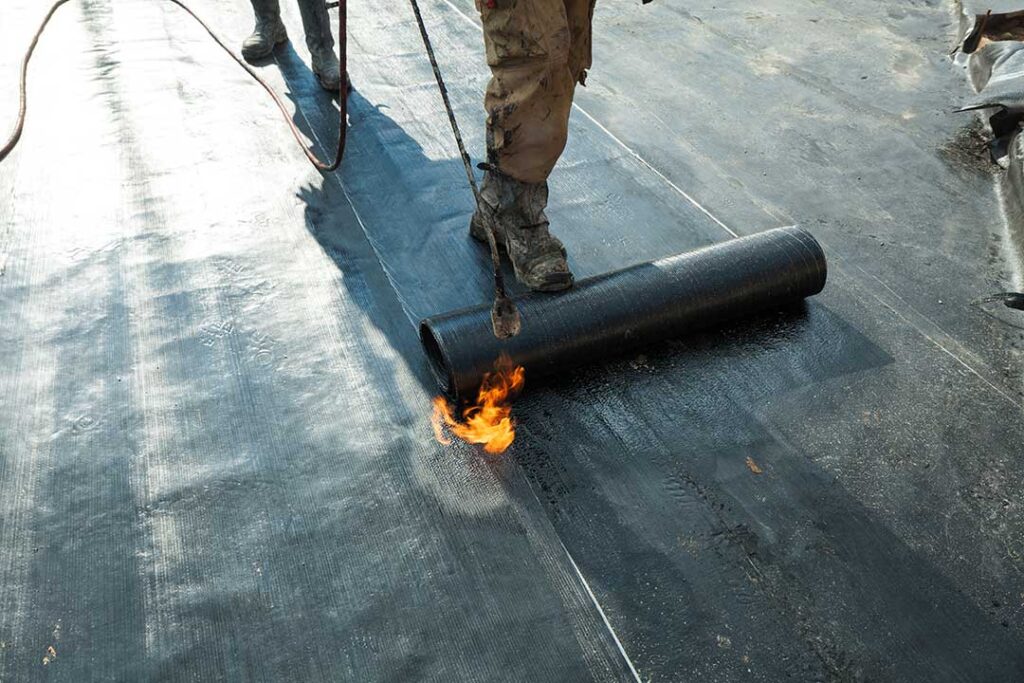
Roof surfaces are not designed to function like ordinary walking areas. Even a roof that appears flat, dry, and sturdy can contain weak spots, slippery materials, hidden damage, or edges that are difficult to judge from the ground. For residents of Brewerton, NY, seasonal moisture, winter freeze-thaw cycles, wind, and algae growth can make roof access especially risky.
The safest approach is to avoid walking on a roof unless there is a genuine need and the conditions are controlled. Many inspections, photographs, and minor observations can be completed from the ground, an attic, or a properly positioned ladder.
Is it safe to walk on a roof?
Walking on a roof can be safe only when the roof type, weather, access equipment, and person’s experience all support the task. Even then, risk cannot be eliminated.
Do not walk on a roof if:
- The surface is wet, icy, frosted, muddy, or covered with leaves
- Rain, snow, or strong wind is present
- The roof is steep or has a complicated shape
- You cannot clearly see the walking surface
- The roof has visible sagging, damaged decking, loose materials, or exposed openings
- You feel unsteady on ladders or at heights
- You are taking medication or experiencing a condition that affects balance
A roof may look dry while retaining moisture in shaded areas, valleys, near chimneys, or beneath debris. In colder months, a thin layer of ice can be nearly invisible and extremely slippery.
What type of roof is easiest to walk on?
Low-slope roofs with sturdy, walkable surfaces are generally easier to navigate than steep roofs. Asphalt shingles, metal panels, slate, tile, and older roofing materials each require different handling.
Asphalt shingles can be damaged by repeated foot traffic, particularly when they are hot, brittle, curled, or coated with granules. Walking across the exposed shingle tabs can loosen them or remove protective granules.
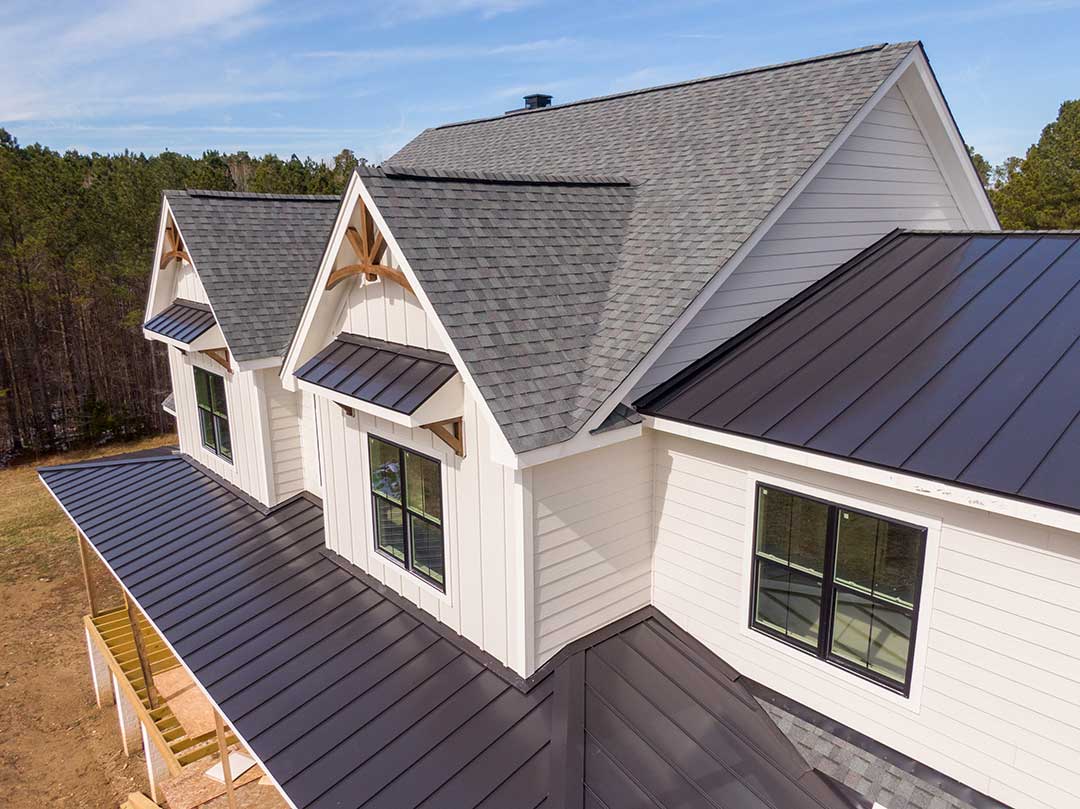
Metal roofing may appear sturdy but can become dangerously slick from dew, frost, pollen, algae, or light rain. Standing-seam panels also have raised seams that can affect balance.
Slate, clay tile, and concrete tile can crack under concentrated weight. A person may not realize a tile is damaged until it breaks. Fragile roofing should not be treated as a normal walking surface.
Flat or low-slope roofs are not automatically safe. They may have concealed weak decking, skylights, drainage openings, or areas that have deteriorated beneath roofing membranes.
How should a person prepare before going onto a roof?
Preparation reduces avoidable mistakes. Choose a dry, calm period with good visibility, and inspect the roof from the ground first.
Look for:
- Sagging roof lines
- Missing, lifted, or curled shingles
- Broken tiles or panels
- Loose flashing around penetrations
- Moss, algae, or heavy debris
- Skylights or roof openings
- Overhead utility lines
- Nearby branches that could interfere with ladder placement
Wear footwear with clean, slip-resistant soles. Shoes should fit securely and should not have deep mud, stones, or material stuck in the tread. Avoid sandals, smooth-soled shoes, and loose footwear.
Use clothing that allows free movement without hanging straps or loose material that could catch on equipment. Keep tools in a secured pouch or bucket rather than carrying several objects in both hands.
How should a ladder be used to reach a roof?
Most roof accidents happen during ladder use, climbing, or stepping between the ladder and roof—not while walking across the roof itself.
Place the ladder on firm, level ground. It should not rest on loose soil, ice, snow, wet grass, stacked materials, or uneven pavement. The ladder must be tall enough to provide a safe transition without standing on the highest steps.
Before climbing:
- Check that the ladder is not bent, cracked, or missing parts
- Confirm that locking mechanisms are fully engaged
- Keep the base clear of children, pets, vehicles, and doors
- Maintain three points of contact while climbing
- Face the ladder while going up and down
- Keep your body centered between the side rails
Never move or extend a ladder while standing on it. Avoid placing a ladder near overhead electrical lines. If the ground is unstable or the ladder cannot be positioned securely, the roof should not be accessed.
What is the safest way to walk across shingles?
If access is necessary on a sound, low-slope shingle roof, walk slowly and deliberately. Step on the lower portions of the shingles where they are supported by the roof decking, rather than on the raised edges or unsupported tabs.
Keep your weight distributed over the middle of your feet. Take short steps and avoid turning quickly. Do not jump over valleys, ridges, pipes, or other roof features.
Stay aware of the roof’s slope. A person may feel balanced while standing still but lose footing when moving sideways or reaching. Keep your torso upright and avoid leaning beyond your stable base.
Do not step directly on:
- Skylights, even if they appear solid
- Plastic vents or lightweight roof fixtures
- Loose flashing
- Damaged or sagging areas
- The upper edge of a roof opening
- Snow-covered sections
- Areas hidden by leaves or other debris
Roof surfaces can be damaged even when no immediate crack or break is visible. Limit the number of trips and avoid unnecessary walking.
Should a safety harness be used?
A harness can reduce the consequences of a fall, but it does not make roof work automatically safe. A complete fall-protection system requires suitable anchorage, compatible equipment, proper adjustment, and knowledge of how to prevent suspension injuries after a fall.
A harness attached to an unsuitable object—such as a vent, chimney cap, plumbing pipe, or decorative feature—may fail. Improvised ropes and household straps are not substitutes for fall-protection equipment.
For steep roofs, high roofs, fragile materials, or tasks requiring both hands, personal fall protection and specialized access equipment may be necessary. If the system cannot be set up correctly, remaining off the roof is safer.
How do local weather conditions affect roof safety?
In Brewerton, changing weather can create roof hazards even when the forecast appears manageable. Snow may melt during the day and refreeze overnight. Freeze-thaw cycles can loosen roofing materials, create hidden ice, and worsen cracks in decking or flashing.
Wind is another concern. Gusts can shift a person’s balance, move a ladder, or lift loose roofing materials. Wet autumn leaves can hide slippery surfaces, while spring pollen and algae can reduce traction on shaded sections.
After a storm, avoid climbing onto the roof to inspect damage immediately. Downed lines, unstable branches, broken materials, and hidden structural damage may be present. A ground-level inspection through binoculars is a safer first step.
What should be done if a roof seems unsafe?
Leave the roof carefully using the same controlled movements used during the ascent. Do not rush, jump to the ground, or carry loose tools while climbing down.
If the roof has sagging areas, severe storm damage, suspected structural weakness, extensive ice, or an unsafe ladder setup, do not attempt access. Safety conditions matter more than obtaining a close-up view.
For many routine questions, useful information can be gathered from the attic, eaves, gutters, roof edge, or ground. Photographs taken from a safe location may also show missing materials, blocked drainage, or visible flashing problems without exposing anyone to a fall.
A roof is not a normal walking surface, and careful judgment begins before the first step. Dry conditions, stable access, suitable footwear, clear visibility, and an honest assessment of the roof’s condition are the minimum foundations for safer roof access.
