
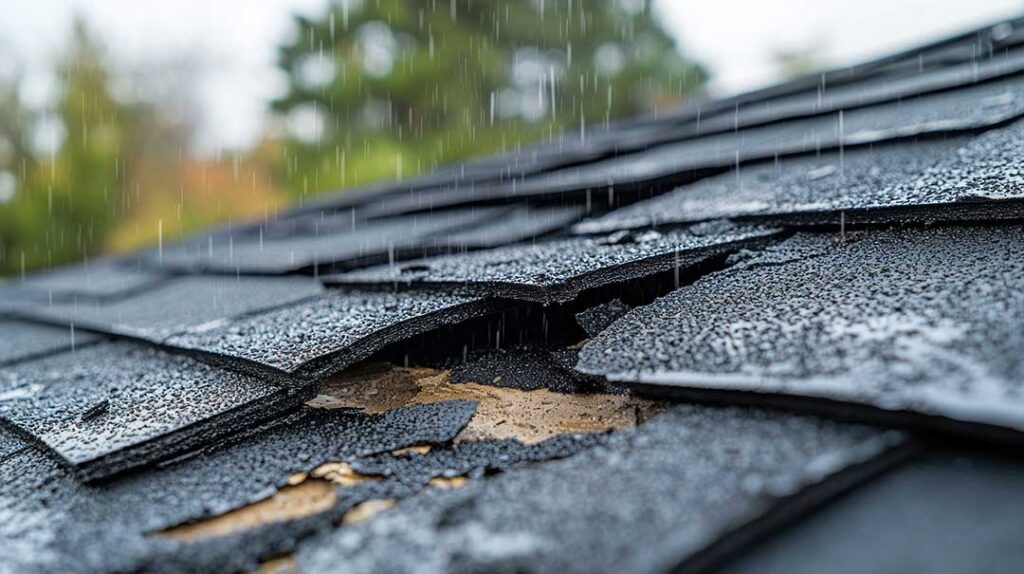
A roof tear-off is the removal of existing roofing materials before a new roof system is installed. In Brewerton, NY, the work may involve several layers of shingles, underlayment, flashing, and sometimes damaged roof decking, so the process is more involved than simply pulling off the visible shingles.
Understanding the sequence helps homeowners prepare for noise, debris, weather concerns, and decisions that may arise once the roof surface is exposed.
What exactly is removed during a roof tear-off?
A complete tear-off usually removes the roof covering down to the roof deck, which is the structural sheathing attached to the rafters or trusses. The visible shingles are only one part of the roof assembly.
Depending on the roof’s age and previous repairs, removal may include:
- Asphalt shingles or another roof covering
- Roofing felt or synthetic underlayment
- Old ice barrier materials
- Ridge caps and starter strips
- Metal flashing around chimneys, walls, vents, and skylights
- Pipe boots and other roof penetrations
- Fasteners and leftover repair materials
Some roofs have multiple layers of shingles. Older homes may have one layer installed over another, while sections may contain patching from previous leaks. Each additional layer adds weight and can make removal slower.
A tear-off is different from a roof overlay, in which new shingles are installed over existing materials. An overlay may appear simpler, but it can conceal damaged decking and makes it more difficult to inspect the roof structure.
How long does a roof tear-off take?
For a typical single-family home, the removal phase may take part of a day or a full day, although the entire roofing project can take longer. The timeline depends on the roof’s size, pitch, number of layers, accessibility, weather, and the amount of damaged material discovered.
A tear-off may take longer when the roof includes:
- Several roof levels or intersecting sections
- A steep slope
- Limited access for moving materials
- Heavy or waterlogged roofing materials
- Large areas of deteriorated decking
- Complex flashing around walls, chimneys, or dormers
Weather is a practical consideration for local households. Rain, strong wind, snow, freezing temperatures, and wet roof surfaces can interrupt the work or require temporary protection. Roofing materials also need suitable conditions for proper installation, especially during colder months.
What should residents expect on tear-off day?
The most noticeable part of the process is noise. Shingles are pried loose, fasteners are removed, materials are carried or lowered to the ground, and roof decking may be cut or replaced. This can create repeated banging and vibration inside the home.
Residents may also notice:
- Roofing debris around the house
- Workers moving across the roof and property
- Temporary coverings over exposed sections
- A dumpster, trailer, or debris collection area
- Dust or small particles near exterior walls and windows
- Short periods when roof sections are uncovered
The work area should be kept clear of children and pets. Falling materials can travel beyond the immediate edge of the roof, and nails may be present in grass, driveways, gardens, or around entryways even when cleanup is thorough.
It is sensible to move outdoor furniture, planters, grills, and fragile decorations away from the house. Vehicles may also need to be relocated if access is required for debris removal.
What happens if the roof deck is damaged?
The roof deck cannot be fully evaluated until the old materials are removed. Soft spots, staining, holes, mold-like discoloration, delamination, or sections weakened by long-term moisture may become visible during the tear-off.
Not every stain means the decking must be replaced. The key question is whether the wood remains structurally sound and able to hold roofing fasteners securely. Damaged sections may need to be removed and replaced with properly sized roof sheathing.
Unexpected decking repairs can affect the project’s cost and schedule. This is one reason a roof replacement cannot always be priced accurately from ground-level observation alone. The condition beneath the shingles remains partly unknown until the covering is opened.
A homeowner should expect clear documentation of any proposed decking replacement, such as marked locations, measurements, or photographs. This makes it easier to distinguish necessary structural repairs from cosmetic concerns.
How is the house protected from rain during a tear-off?
Roof work is normally organized in sections so that exposed areas are covered or completed before changing weather creates a problem. Temporary tarps or other protective coverings may be used if the roof cannot be closed in the same day.
Protection should also account for:
- Attic insulation and stored belongings
- Ceilings below roof penetrations
- Chimneys, skylights, and plumbing vents
- Gutters and downspouts
- Landscaping and exterior walls
- Areas where roof debris may fall
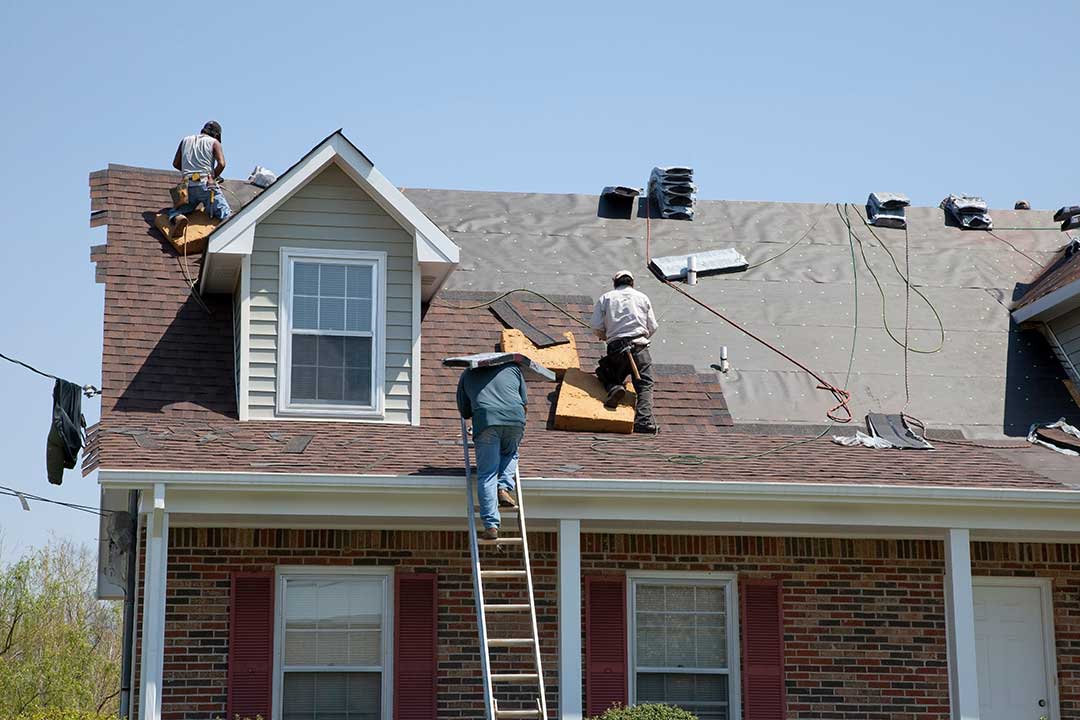
A brief exposure of roof decking during dry conditions is not automatically a problem. The concern is uncontrolled exposure to rain or melting snow. If precipitation begins unexpectedly, the work area should be secured promptly and checked for moisture intrusion afterward.
Residents should inspect attic spaces after major roof work, particularly if the home has a history of leaks. Damp insulation, fresh staining, or a musty smell may indicate that water entered during the project or that an older leak remains unresolved.
Are gutters, flashing, and ventilation affected?
A tear-off often reveals that related roof components need attention. Gutters may contain old shingle granules and fasteners after removal, while flashing may be bent, corroded, or sealed with layers of old roofing cement.
Roof ventilation is also easier to evaluate once the roof covering is removed. The system may include soffit intake vents, ridge vents, box vents, or other openings. Good ventilation depends on balanced intake and exhaust, not simply on adding more roof vents.
Flashing around chimneys, sidewalls, valleys, and roof penetrations deserves particular attention because these are common leak-prone areas. Reusing old flashing is not always appropriate, especially when it cannot be integrated correctly with the new roof system.
What cleanup should be expected?
Cleanup is more than sweeping visible shingles from the driveway. A thorough cleanup includes collecting loose nails, removing scraps from landscaping, checking around exterior walls, clearing roof debris from gutters, and inspecting areas where materials were carried.
Magnetic tools can help collect steel roofing nails, but no cleanup method guarantees that every small piece will be found. Homeowners should use caution when walking barefoot outdoors after the work is complete.
Some granules may remain in gutters after a shingle replacement. A small amount is expected, but heavy accumulation or repeated discharge after rain may deserve further inspection.
Can residents stay home during a tear-off?
Many people remain in the home, but the experience can be disruptive. The noise may be especially noticeable in upper rooms, home offices, nurseries, or areas directly below the roof.
Before work begins, it may help to:
- Remove fragile items from upper shelves and walls
- Cover belongings in the attic
- Keep pets in a quiet, secure indoor area
- Arrange alternatives for infants, elderly residents, or people sensitive to noise
- Avoid scheduling important remote meetings during demolition
- Keep windows closed during dusty portions of the work
If the roof contains suspected asbestos materials, unusual insulation, or other hazardous substances, the work should not proceed casually. Special handling requirements may apply, and unsafe materials should not be disturbed without appropriate evaluation.
What should be checked after the tear-off?
Before new roofing materials cover the deck, the exposed surface should be checked for soft areas, improperly sized repairs, open roof penetrations, missing flashing, and ventilation concerns. This inspection is one of the most valuable stages of the project because problems are still visible and accessible.
After the roof is closed in, residents should look for signs that the property was left in good condition:
- No exposed roof sections remain
- Flashing and penetrations are sealed appropriately
- Gutters are free of large debris
- Landscaping and walkways are reasonably clear
- No interior ceilings show new water stains
- Attic areas remain dry after the next rainfall
A roof tear-off is disruptive, but it also provides a rare opportunity to see and correct problems that have been hidden for years. Preparing for the noise, protecting belongings, understanding possible decking repairs, and checking the work area afterward can make the process more predictable for households in the community.
