

What Causes Roof Stains on Local Homes?
Roof stains are a common sight in Brewerton, NY, especially given the region’s humid summers, cold winters, and periodic rain. The most frequent cause of these stains is the growth of algae, especially a type called Gloeocapsa magma. This organism thrives on moisture and tends to colonize asphalt shingles, leaving dark streaks or blotches. Moss and lichen, which love shaded, damp roofs, can create green or black patches and may hold moisture against the roof surface much longer than rain alone.
Other culprits include:
- Pollen and tree debris, which can stain after wet weather.
- Soot from wood stoves or nearby fireplaces.
- Rust running down from flashing or vents.
Each presents a distinctly colored stain—black, green, yellow, or reddish brown—that can be alarming but is generally manageable.
Are Roof Stains Just Cosmetic, or Are There Risks?
At first, roof stains are mostly a cosmetic concern, making a roof look older and uncared for. However, ignoring them in Brewerton’s climate can allow moisture-loving organisms like moss and lichen to break down shingle material. Over time, this can shorten the lifespan of asphalt shingles, leading to leaks, more costly repairs, or even premature roof replacement due to water infiltration or freeze-thaw damage in winter.
Staining rarely signals urgent danger, but intervention is wise before real damage or excessive moss growth occurs.
How Can Local Residents Identify the Type of Roof Stain?
Identifying the source of a stain can help in choosing an effective cleaning approach:
- Black or dark gray streaks, especially on shaded areas: Typically algae.
- Thick, green, spongy patches: Almost always moss.
- Pale, crusty circles or growths: Lichen.
- Orangish or reddish lines: Usually rust from metal components.
- Sticky yellow or brown residue: May be pollen or tree sap.
A close look from the ground with binoculars may be enough; it’s not necessary (or safe) to climb onto the roof for simple stain identification.
Is It Safe to Clean a Roof by Yourself?
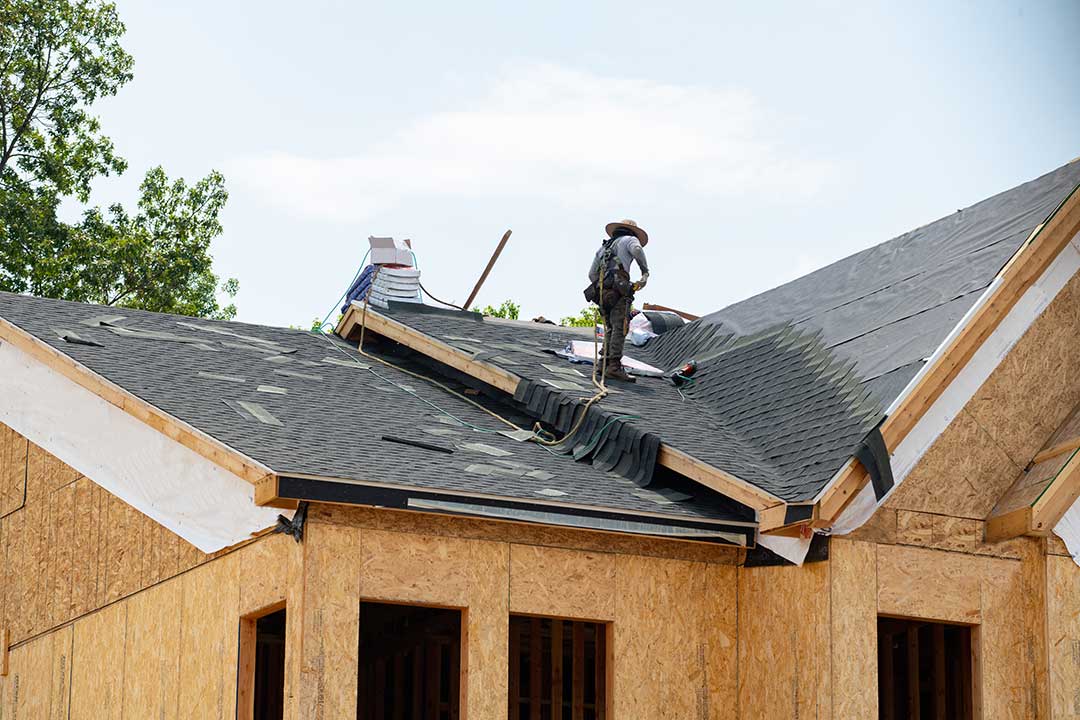
Generally, small roof stains can be managed by homeowners if the pitch is low, access is clear, and safety precautions are taken. Ladder safety, never working alone, and avoiding steep or slippery roofs are essential. Only attempt cleaning from the ground or a stable ladder; avoid walking on the roof, especially when wet or mossy, as it can be dangerously slick.
For large roofs, high slopes, or extensive moss, consider whether the job demands more experience or safety equipment than typical household tools allow.
What Cleaning Methods Are Safe for Brewerton Roofs?
The safest approach uses minimal force and gentle cleansers. Many local residents turn to a simple solution—mixing water with either oxygen-based bleach or a small amount of dish detergent. Apply with a pump sprayer, let it sit for 15-20 minutes, and rinse gently with a garden hose. Avoid pressure washers, as they can strip protective granules off shingles, worsening future staining and shingle decay.
For specific problems:
- For algae: A mix of water and oxygen-based bleach (not chlorine) works well.
- For moss: Remove the moss by hand (while wearing gloves) after softening it with a cleanser. Flush the area gently—never scrub or use metal tools.
- For lichen: These are slow-growing and more stubborn. Repeated treatments with gentle cleansers may be needed rather than physical scraping.
Never mix cleaning solutions, and always protect landscaping with tarps or by soaking it with clean water first.
Can Stains Be Prevented in Local Conditions?
Yes, routine maintenance helps prevent most recurring stains. In Brewerton, seasonal debris from trees and fluctuating roof temperatures can create ideal conditions for algae and moss if not addressed. Consider these preventative steps:
- Trim overhanging tree branches to boost sunlight and reduce shade.
- Clean gutters regularly so water drains properly instead of spilling onto the roof.
- Remove leaves, pine needles, and twigs after storms or in the fall.
- Add zinc or copper strips just below the ridge—these metals create an environment that resists algae and moss growth when rainwater washes over them.
These steps don’t guarantee a spotless roof but can greatly slow down stain buildup, especially after damp springs or summer storms.
Are There Common Misconceptions About Roof Stains?
Many people believe roof stains always mean replacement is needed, or that heavy scrubbing or pressure washing is the only way to clean them. In reality, stains are largely an aesthetic challenge at first and rarely require drastic action. Aggressive cleaning often does more harm than good, especially on older shingles.
There’s also a misconception that stained shingles lose their insulating ability or pose health hazards—there’s no evidence for this in typical residential cases. However, heavy moss accumulation can encourage moisture issues if ignored year after year.
How Often Should Area Households Check for Stains?
A visual inspection once each spring and autumn is a wise habit. This schedule fits Brewerton’s climate cycle, catching any new stains after winter snow melts or before autumn leaves settle. Quick visual checks prevent small stains from turning into larger, more persistent growths that demand expensive, labor-intensive solutions later on.
