

What Are the Most Common Roof Repair Mistakes for Local Homeowners?
Residents in Brewerton, NY often face challenges related to seasonal weather, aging homes, and changing temperatures. Some common errors during roof repairs can make small problems worse or lead to preventable damage. Here are frequent missteps that area homeowners encounter:
- Replacing only visibly damaged shingles without addressing underlying issues
- Using generic products instead of climate-appropriate materials
- Neglecting seasonal inspection or repair timing
Understanding the most frequent problems makes it easier for people in the community to make informed choices and maintain their roofs more effectively.
Why Is Skipping a Roof Inspection Before Repair Risky?
Jumping straight into a repair without a thorough inspection may leave hidden damage untouched. For example, a missing shingle might be just the surface of a problem caused by ice dams, wind-driven rain, or attic moisture—common in this part of Central New York. Without identifying compromised underlayment, saturated decking, or clogged ventilation, repairs can be superficial and short-lived.
A careful inspection—either DIY from a ladder if safe, or by checking from the ground—should look for:
- Water stains or mold inside the attic
- Signs of sagging or softness along the roof line
- Gutter debris or loose granules, which might indicate shingle aging
Can Using the Wrong Materials Cause Problems in Brewerton?
Yes. The climate in the area sees freezing winters, snow load, spring thaws, and summer sun—all of which stress roofing materials. Choosing the wrong type or brand, or mixing old and new components without checking compatibility, often results in mismatch and reduced lifespan. For example, patching an asphalt shingle roof with the wrong type of nail or underlayment might look fine at first but can leak after a severe winter.
Local weather calls for materials rated for freeze-thaw cycles, resistant to UV degradation, and suitable for steep-slope roofs commonly found on older homes. Avoiding shortcuts here prevents repeated repairs or premature replacements.
What Happens if Flashing Is Ignored or Improperly Installed?
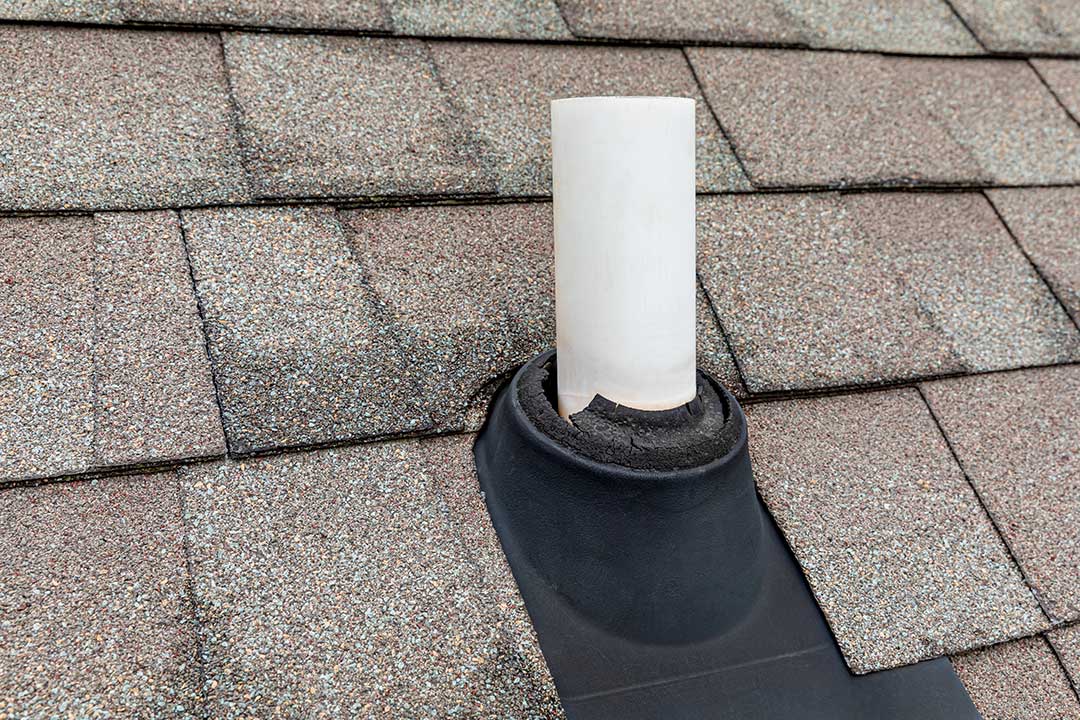
Flashing—thin metal installed around chimneys, skylights, vent pipes, and along valleys—is a common source of leaks in the city due to ice and falling branches. If replaced carelessly, left loose, or sealed with improper caulk, water may seep underneath, causing rot or mold in the roof deck and attic. Even a seemingly minor gap can allow repeated moisture intrusion, leading to bigger issues, including interior damage over time.
Double-checking that metal edges are tight, adequately lapped, and sealed with weatherproof adhesives is essential for a properly functioning roof in a climate prone to freeze-thaw expansion.
Are Quick Fixes Like Roof Cement or Tar a Good Solution?
Temporary patches like roofing tar or caulk can stop a drip for a week, but using them as a permanent fix is one of the most common mistakes. These products may lose flexibility, shrink, or peel in the local climate, especially after a winter freeze. Homeowners sometimes use excess roof cement to plug a crack, which can block drainage or hide underlying rot. Overreliance on these products might delay the recognition of more serious structural concerns.
Instead, quick fixes should only be used in an emergency until a more thorough repair can be performed when weather allows.
Why Is Improper Ventilation Often Overlooked?
Good attic ventilation is necessary year-round. Brewerton’s snowy winters and humid summers both contribute to moisture buildup. Repairing or adding insulation without checking vents, or blocking soffit vents during repairs, can lead to:
- Trapped moisture causing mold and roof decking rot
- Ice dam formation along the eaves, causing water backup
- Premature aging of shingles due to heat and vapor buildup
Always ensure repairs allow for free airflow from soffit to ridge, and that existing vent openings remain clear.
How Can DIY Repairs Become Dangerous or Ineffective in Brewerton?
Fixing a roof in this area demands caution due to frequent rain, wind, and icy conditions, especially on moderate to steeply-pitched roofs. Attempting repairs during wet or icy weather increases the risk of slips or falls. Additionally, using improper footwear, leaning ladders against gutters, or working alone are common local hazards.
DIY fixes may also miss regional code requirements for shingle attachment or ice barrier installation. Some area homes require extra layers of water barrier near the roof edge because of the heavy snow load.
Residents who take on repairs themselves should plan work for dry, mild weather, use all necessary safety gear, and consult building codes. For repairs involving structural wood, suspected mold, or steep roofs, stopping and seeking guidance is recommended for safety and compliance reasons.
What Other Overlooked Factors Lead to Roof Repair Issues?
Some issues may not be immediately obvious but can undermine even careful repairs:
- Failing to check gutters and downspouts for proper drainage, leading to water backup under the shingles
- Overlooking attic insulation that compresses or shifts, allowing freeze-thaw cycles to affect roof decking
- Not documenting repairs for warranty or insurance purposes
For homes near trees or lakefront winds, branches and blown debris should be cleared promptly to prevent shingle edge damage.
Paying attention to these details helps area households avoid having to revisit roof repair projects sooner than necessary.
