
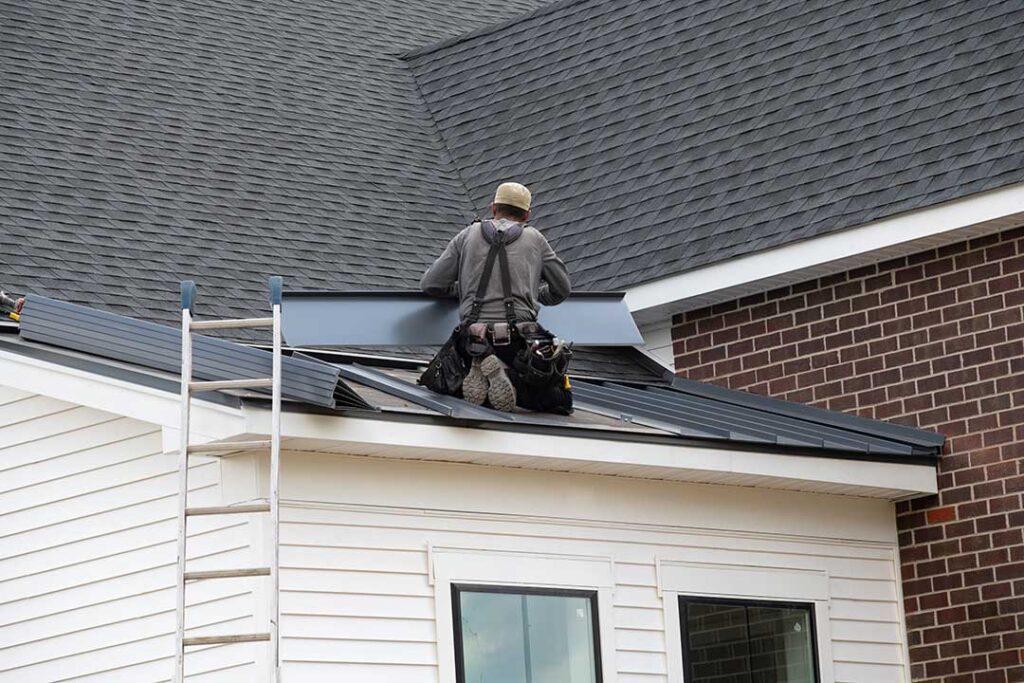
Renovation work can protect a home’s value and comfort, but construction activity can also create avoidable roof damage. Foot traffic, falling materials, improperly secured coverings, dust, open wall sections, and temporary equipment can all affect shingles, flashing, gutters, attic ventilation, and drainage.
For households in Brewerton, NY, renovation planning also needs to account for rain, snow, wind, ice, and rapid seasonal changes. A roof that appears sound before construction can develop leaks if the work area is not carefully controlled.
Which renovation activities pose the greatest risk to a roof?
Roof damage is most likely when a project involves ladders, scaffolding, heavy materials, roof access, demolition, or temporary openings in the exterior walls and roofline.
Common risk sources include:
- Walking repeatedly across shingles, especially in hot weather or cold temperatures
- Leaning ladders against gutters, fascia, or roof edges
- Dropping tools, siding, lumber, or roofing debris
- Dragging materials across shingles
- Cutting wood, masonry, or drywall near roof drainage areas
- Blocking or disconnecting downspouts
- Installing vents, skylights, chimneys, solar equipment, or other penetrations
- Leaving roof openings exposed overnight
- Allowing construction tarps to rub against shingles or flashing
Even a small puncture or displaced shingle may not leak immediately. Water can travel beneath roofing materials and appear later in a ceiling, wall, or attic.
How should the roof be inspected before work begins?
A pre-renovation inspection creates a baseline and helps separate existing conditions from construction-related damage. The inspection should cover both the visible roof surface and the areas below it.
Look for:
- Missing, cracked, curled, or loose shingles
- Exposed or damaged flashing around chimneys, vents, skylights, and wall intersections
- Sagging gutters or loose downspouts
- Granules collecting heavily in gutters
- Soft areas on roof sheathing or the eaves
- Water staining in the attic or upper-floor ceilings
- Blocked soffit or ridge ventilation
- Moss, organic debris, or standing water
- Signs of ice-dam leakage from previous winters
Photographs taken before demolition are useful, particularly around roof edges, valleys, penetrations, and existing stains. Written notes should identify conditions that are already present. This documentation can prevent confusion if a leak appears during the project.
What is the safest way to use ladders and scaffolding near a roof?
Ladders and scaffolding should transfer their weight to structurally sound areas rather than gutters, decorative trim, or unsupported roof edges. A ladder resting on a gutter can bend it, loosen its fasteners, or damage the fascia behind it.
Before placing access equipment:
- Keep ladder feet on stable, level ground.
- Use proper stand-off equipment so the ladder does not press directly against gutters.
- Avoid placing weight on brittle or weathered shingles.
- Keep scaffolding planks clear of roof surfaces unless the support system is specifically designed for that purpose.
- Maintain safe clearance from overhead electrical equipment.
- Recheck equipment after strong wind, heavy rain, or ground movement.
Some roof surfaces become slippery from frost, rain, algae, sawdust, or loose granules. Roof access should be limited to tasks that genuinely require it. A roof is not a convenient storage area or work platform.
How can construction materials be kept from damaging shingles?
Materials should be staged on the ground, a driveway-safe platform, or another stable surface whenever possible. Lumber, siding, tile, tools, and demolition debris should not be stacked directly on the roof unless the roof structure and protective system are designed for that load.
If materials must temporarily reach the roof, avoid dragging them across the surface. Use clean lifting methods and protect designated travel paths with suitable equipment that will not trap moisture, scrape granules, or concentrate weight in one area.
Metal fragments, nails, screws, and broken roofing pieces are especially troublesome. They can puncture underlayment, clog gutters, damage tires, or become projectiles during wind. Sweep or magnetically collect debris around the work zone at the end of each workday, while remembering that magnets may not collect nonferrous metal pieces.
How should a roof be protected during demolition?
Demolition requires more planning than ordinary installation work because falling debris can damage areas that are not being renovated. Protective coverings should be secured without puncturing shingles, blocking drainage, or trapping moisture against the roof.
Tarps are not a complete weatherproofing system. If used temporarily, they should:
- Be large enough to cover the exposed area without leaving gaps
- Direct water away from openings and toward safe drainage paths
- Be fastened to framing or purpose-built supports rather than nailed randomly into roofing
- Avoid prolonged rubbing against shingles or flashing
- Be checked after wind and precipitation
- Be removed or adjusted when trapped condensation develops
Any opening in the roof should be closed before rain, snow, or overnight temperature changes. A partially covered opening can allow water into insulation, wall cavities, electrical components, and finished ceilings.
What should happen to gutters and downspouts during renovations?
Gutters and downspouts need to remain connected and functional throughout the project. They control runoff from the roof and help prevent water from collecting beside foundations, washing soil away, or splashing onto siding.
Construction crews should keep:
- Ladders and debris out of gutters
- Downspout outlets clear
- Temporary extensions pointed away from the foundation
- Roof valleys free of packaging, leaves, and demolition waste
- Gutter guards protected from crushing or removal
- Ice and snow from accumulating against temporary coverings
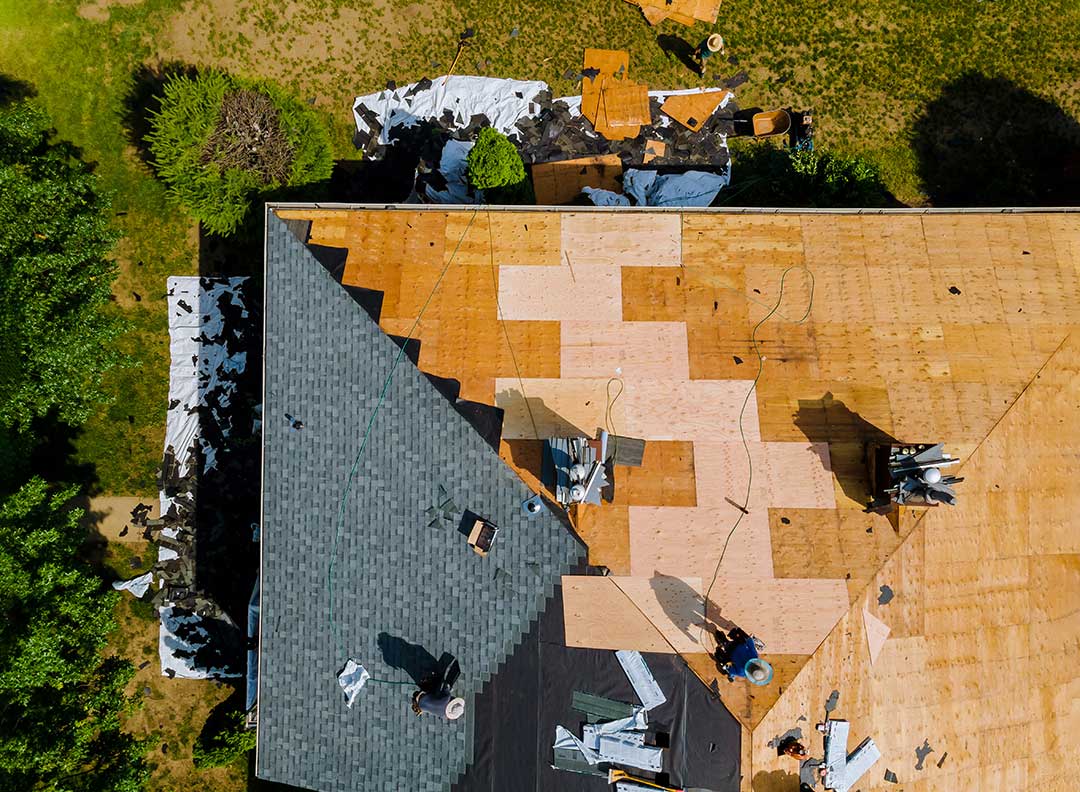
During renovation, rainwater may follow unusual paths because siding, trim, roofing, or exterior walls have been removed. Inspect drainage after each significant storm, especially if the project involves additions, dormers, porch connections, or changes near roof valleys.
How can interior spaces be protected from roof leaks?
Protecting the outside of the roof is only part of the plan. Finished rooms, insulation, attic materials, and electrical systems should also be protected from unexpected moisture.
Before work starts, identify:
- Ceiling areas beneath roof penetrations
- Attic access points
- Electrical fixtures near the work area
- Insulation that could hide moisture
- Stored furniture, flooring, and tools vulnerable to water
Temporary interior coverings can reduce damage, but they should not conceal an active leak for long. Check ceilings, attic sheathing, and insulation after rain. Damp insulation may remain wet even after the ceiling looks dry, increasing the risk of staining, odors, and material deterioration.
How should renovation work be planned around Brewerton weather?
Weather timing matters in Brewerton because roof work may be affected by freezing temperatures, snow, wind, rain, and sudden changes between warm and cold conditions. Roofing materials may not seal or handle normally in very cold weather, while wet surfaces increase slip and material-handling risks.
Before opening a roof or removing exterior protection, review the short-term forecast and confirm that materials can be secured if conditions change. Winter work requires particular attention to snow load, ice, frozen underlayment, blocked drainage, and wind uplift on tarps.
A project should also include a daily weather check. The most useful question is not simply whether rain is expected, but whether the roof can be fully dried, covered, and secured before conditions deteriorate.
What warning signs suggest renovation-related roof damage?
After construction begins, investigate new or worsening signs promptly:
- Water spots or bubbling paint on ceilings
- Damp attic insulation
- Dripping near light fixtures or vents
- Loose, cracked, or missing shingles
- Bent gutters or separated downspouts
- New granules or metal pieces in gutters
- Musty odors in upper rooms
- Daylight visible through the roof deck
- Unusual drafts near attic openings
- Water pooling near the foundation after rain
Do not climb onto a wet, icy, or damaged roof to investigate. From the ground, note the affected area and inspect accessible interior spaces safely. Electrical fixtures exposed to water should be treated as a safety concern, not merely a cosmetic problem.
What should be included in a roof-protection plan?
A practical plan should identify who controls roof access, where materials will be stored, how openings will be covered, how runoff will be managed, and who checks the roof at the end of each workday.
For projects involving structural changes, roof penetrations, hazardous access, or significant water intrusion, qualified oversight may be necessary for safety and code compliance. Local permit requirements can also apply when a renovation changes structural components, roof geometry, ventilation, or exterior openings.
The goal is not to keep every construction activity away from the roof. It is to control access, protect drainage, close openings quickly, and recognize small problems before they become concealed water damage.
